- Why Qi2 Matters in 2026
- The Leak: Galaxy S26 and the Missing Qi2 Magnets
- Samsung’s History with Wireless Charging Standards
- Possible Reasons Samsung Is Skipping Built‑In Qi2 Magnets
- Consumer Impact: Convenience vs. Confusion
- Comparison With Apple and Google
- Implications for Accessory Makers
- Wireless Charging Performance Without Magnets
- Is the Galaxy S26 Still a Flagship?
- Market Pressure and Future Outlook
- Could Samsung Add Qi2 via Software or Accessories?
- Environmental and Sustainability Considerations
- Expert Opinions and Industry Reactions
- What This Means for Android’s Future
- Frequently Asked Questions (FAQ) – Samsung Galaxy S26 & Qi2
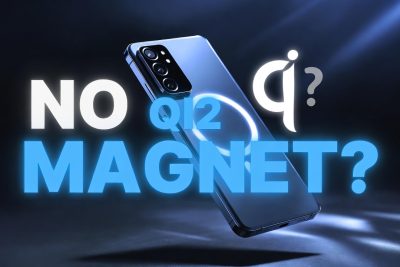
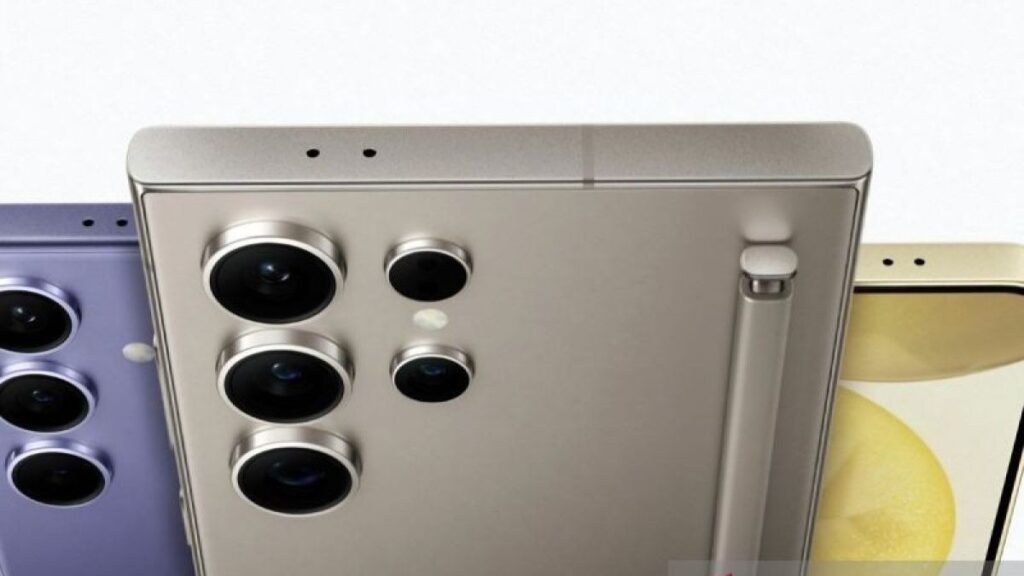
As anticipation builds for Samsung’s next flagship smartphone lineup, fresh leaks surrounding the Galaxy S26 series have sparked widespread debate among tech enthusiasts and industry observers. According to recent reports, Samsung is unlikely to include built‑in Qi2 magnetic support in the Galaxy S26. While this decision may sound minor to casual users, it has significant implications for wireless charging, accessory ecosystems, user experience, and Samsung’s competitive positioning in the global smartphone market.
Qi2, the latest generation of the wireless charging standard developed by the Wireless Power Consortium (WPC), introduces magnetic alignment similar to Apple’s MagSafe. The technology promises faster, more efficient charging and a growing ecosystem of magnetic accessories. Apple has supported this approach for years, and Google has reportedly adopted Qi2 magnets in its upcoming Pixel devices. Against this backdrop, Samsung’s apparent decision to skip internal Qi2 magnets has left many consumers puzzled and disappointed.
This article provides an in‑depth, long‑form analysis of the Galaxy S26 Qi2 controversy, exploring the technology behind Qi2, the evidence from recent leaks, Samsung’s possible motivations, the impact on consumers, and what this decision could mean for the future of Android smartphones and wireless charging.
Understanding Qi2 and Magnetic Wireless Charging
Qi2 is an evolution of the original Qi wireless charging standard. Developed to address inefficiencies in traditional wireless charging, Qi2 introduces Magnetic Power Profile (MPP) technology. This ensures precise alignment between the charger and the device, improving energy transfer efficiency and reducing heat generation.
Magnetic alignment is especially important for modern smartphones, which often suffer from slow or inconsistent wireless charging due to misalignment. With Qi2 magnets, accessories such as wireless chargers, car mounts, power banks, and wallets can snap into place securely.
Apple’s MagSafe popularized this approach, transforming wireless charging into a broader accessory ecosystem. Qi2 effectively standardizes this concept, making it available to Android manufacturers and accessory makers without proprietary limitations.
Why Qi2 Matters in 2026
By 2026, wireless charging is no longer a novelty. It is an expected feature in premium smartphones. Consumers increasingly value convenience, clean desk setups, and accessory compatibility.
Qi2 matters because it offers:
- Faster and more stable wireless charging
- Improved energy efficiency
- Stronger accessory attachment
- Cross‑brand compatibility
With competitors embracing Qi2, the absence of built‑in magnets in a flagship device raises concerns about whether Samsung is keeping pace with industry trends.
The Leak: Galaxy S26 and the Missing Qi2 Magnets
Leaks reported by European mobile device certification sources and cited by multiple tech publications suggest that Samsung is preparing official Galaxy S26 cases in both magnetic and non‑magnetic variants. This detail is critical.
If a phone includes built‑in Qi2 magnets, manufacturers typically design standard cases that complement those magnets rather than replace them. The existence of official non‑magnetic cases strongly implies that the Galaxy S26 itself lacks internal magnets.
Further fueling speculation, Samsung is rumored to be developing Qi2‑compatible accessories, such as magnetic power banks and wireless chargers, designed specifically for the Galaxy S26 series. This creates a confusing scenario in which accessories support Qi2, but the phone itself relies on magnetic cases to enable full functionality.
Samsung’s History with Wireless Charging Standards
Samsung has long been a leader in wireless charging adoption. The company supported Qi charging earlier than many competitors and has consistently improved charging speeds and thermal management.
However, Samsung has also shown reluctance to fully embrace magnetic ecosystems similar to MagSafe. Previous Galaxy models supported wireless charging but lacked built‑in magnets, relying instead on third‑party cases for magnetic accessories.
This conservative approach suggests Samsung prefers flexibility over standardization, allowing users to choose whether they want magnetic functionality through accessories rather than embedding it directly into the device.
Possible Reasons Samsung Is Skipping Built‑In Qi2 Magnets
1. Internal Space Constraints
Modern smartphones are packed with components: larger batteries, advanced camera systems, vapor chamber cooling, antennas, and sensors. Adding a magnetic ring requires space and careful engineering to avoid interference.
Samsung may have prioritized battery capacity, camera hardware, or thermal performance over built‑in magnets.
2. Weight and Thickness Considerations
Magnets add weight and thickness, albeit minimally. Samsung has increasingly focused on slim, lightweight designs, especially in its flagship models. Avoiding magnets could help maintain a sleeker profile.
3. Cost and Manufacturing Complexity
Integrating magnets into millions of devices increases manufacturing complexity and cost. Samsung may see limited return on investment if it believes most users will not rely heavily on magnetic accessories.
4. Accessory‑Driven Strategy
By selling magnetic cases and accessories separately, Samsung can generate additional revenue while keeping the base device simpler. This approach mirrors strategies used for accessories like chargers and styluses.
Consumer Impact: Convenience vs. Confusion
For consumers, the lack of built‑in Qi2 magnets introduces several trade‑offs.
Advantages
- Users who do not care about magnetic accessories avoid paying for unused hardware
- Slimmer phone design
- Potentially lower device cost
Disadvantages
- Fragmented accessory experience
- Need to purchase specific magnetic cases
- Inconsistent Qi2 performance depending on case choice
nThe biggest risk is consumer confusion. Buyers may assume Qi2 accessories work natively, only to discover additional purchases are required.
Comparison With Apple and Google
Apple’s MagSafe ecosystem has proven that magnetic wireless charging can drive accessory innovation and user loyalty. Google’s rumored adoption of Qi2 magnets in Pixel devices signals growing Android‑side support.
By skipping built‑in Qi2 magnets, Samsung risks appearing out of step with competitors, especially in markets where accessory ecosystems influence purchasing decisions.
Implications for Accessory Makers
Accessory manufacturers thrive on standardization. Built‑in Qi2 magnets across major Android brands would simplify design and reduce costs.
Samsung’s approach may force accessory makers to:
- Design case‑dependent solutions
- Create Samsung‑specific products
- Educate consumers about compatibility
This fragmentation could slow Qi2 ecosystem growth within the Android market.
Wireless Charging Performance Without Magnets
Without magnetic alignment, wireless charging remains functional but less efficient. Users may experience:
- Slower charging speeds
- Increased heat
- Inconsistent charging sessions
While not a deal‑breaker, these drawbacks contrast with the promise of Qi2.
Is the Galaxy S26 Still a Flagship?
Despite criticism, the Galaxy S26 is expected to deliver improvements in:
- Processor performance
- Camera capabilities
- AI features
- Display technology
For many users, these upgrades may outweigh the absence of Qi2 magnets. However, for tech‑savvy buyers focused on ecosystem features, the omission is noticeable.
Market Pressure and Future Outlook
The smartphone market in 2026 is intensely competitive. Differentiation increasingly comes from ecosystem integration rather than raw hardware.
If Qi2 gains widespread adoption across Android, Samsung may face mounting pressure to include built‑in magnets in future models, such as the Galaxy S27.
Alternatively, Samsung could refine its accessory strategy to deliver a seamless experience despite the lack of internal magnets.
Could Samsung Add Qi2 via Software or Accessories?
Qi2 magnets cannot be added via software updates. However, Samsung could:
- Improve official magnetic cases
- Bundle magnetic accessories
- Offer clearer messaging about compatibility
Such steps could mitigate consumer frustration.
Environmental and Sustainability Considerations
Samsung often emphasizes sustainability. Avoiding built‑in magnets could reduce material usage and simplify recycling. However, requiring additional cases and accessories may offset these benefits.
Expert Opinions and Industry Reactions
Industry analysts view the Galaxy S26 Qi2 decision as cautious rather than negligent. While some criticize Samsung for lagging behind competitors, others argue that the company is waiting for Qi2 adoption to mature further.
What This Means for Android’s Future
Qi2 represents a chance for Android manufacturers to unify wireless charging experiences. Samsung’s influence means its decisions can shape industry trends.
If Samsung fully embraces Qi2 in future devices, it could accelerate adoption. If not, the Android ecosystem may remain fragmented longer.
The belief that the Samsung Galaxy S26 will not include built‑in Qi2 magnets highlights the complex trade‑offs smartphone manufacturers face in balancing innovation, cost, design, and ecosystem strategy.
While the omission may disappoint users hoping for native magnetic wireless charging, it does not necessarily undermine the Galaxy S26 as a premium device. Instead, it reflects Samsung’s cautious approach to emerging standards.
As Qi2 continues to gain traction, consumer feedback and competitive pressure will likely determine whether Samsung reconsiders its stance in future flagship models. For now, the Galaxy S26 stands as a reminder that even in a mature market, small design decisions can have wide‑ranging implications.
Frequently Asked Questions (FAQ) – Samsung Galaxy S26 & Qi2
1. What is Qi2 wireless charging?
Qi2 is an open magnetic wireless charging standard developed by the Wireless Power Consortium. It enables magnetic alignment between smartphones and accessories, improving charging efficiency, stability, and convenience. Apple’s MagSafe technology is the foundation of Qi2.
2. Will the Samsung Galaxy S26 have built-in Qi2 magnets?
Based on current leaks, the Galaxy S26 series is expected not to include built-in Qi2 magnets inside the phone’s body.
3. Does Galaxy S26 support Qi2 wireless charging at all?
Yes, the Galaxy S26 is rumored to support Qi2 wireless charging standards, but without internal magnets, meaning magnetic alignment depends on external accessories like cases.
4. Why is Samsung skipping built-in Qi2 magnets on Galaxy S26?
Samsung has not provided an official explanation. Possible reasons include cost reduction, internal space constraints, thermal management considerations, and a strategy focused on magnetic cases instead of internal magnets.
5. Can Galaxy S26 use magnetic chargers and accessories?
Yes, but users will need a Qi2-compatible magnetic case. Without built-in magnets, magnetic accessories will not attach securely directly to the phone.
6. Will Samsung release official magnetic accessories for Galaxy S26?
Leaks suggest Samsung is preparing official Qi2 accessories, including magnetic wireless chargers and magnetic power banks, specifically designed for the Galaxy S26 lineup.
7. What happens if I buy a non-magnetic case for Galaxy S26?
If you use a non-magnetic case, Qi2 magnetic accessories may not function properly, forcing you to buy an additional magnetic case to use those accessories.
8. How does Galaxy S26 compare to iPhone MagSafe and Google Pixel Qi2?
Apple iPhones have built-in MagSafe magnets, and Google is expected to include internal Qi2 magnets in Pixel devices. If leaks are accurate, Samsung will lag behind competitors in native magnetic support.
9. Does the lack of built-in magnets affect wireless charging speed?
Charging speed may remain similar, but magnetic alignment improves efficiency, reduces heat, and ensures optimal coil positioning. Without magnets, alignment may be less precise.
10. Is Galaxy S26 a major upgrade over previous Galaxy models?
Many analysts believe the Galaxy S26 will be an incremental upgrade rather than a major leap, especially if it skips built-in Qi2 magnets.
11. Can a software update add Qi2 magnets later?
No. Qi2 magnetic alignment requires physical hardware. Software updates cannot add internal magnets to a device.
12. Will future Samsung Galaxy phones include built-in Qi2 magnets?
It is possible. Market pressure, competitor adoption, and user demand could push Samsung to include built-in Qi2 magnets in future flagship models.a